Writing
The sixth campaign should not cost what the first did
Every launch was being built from nothing, so the sixth cost what the first did. The fix was deciding what should never be new again.
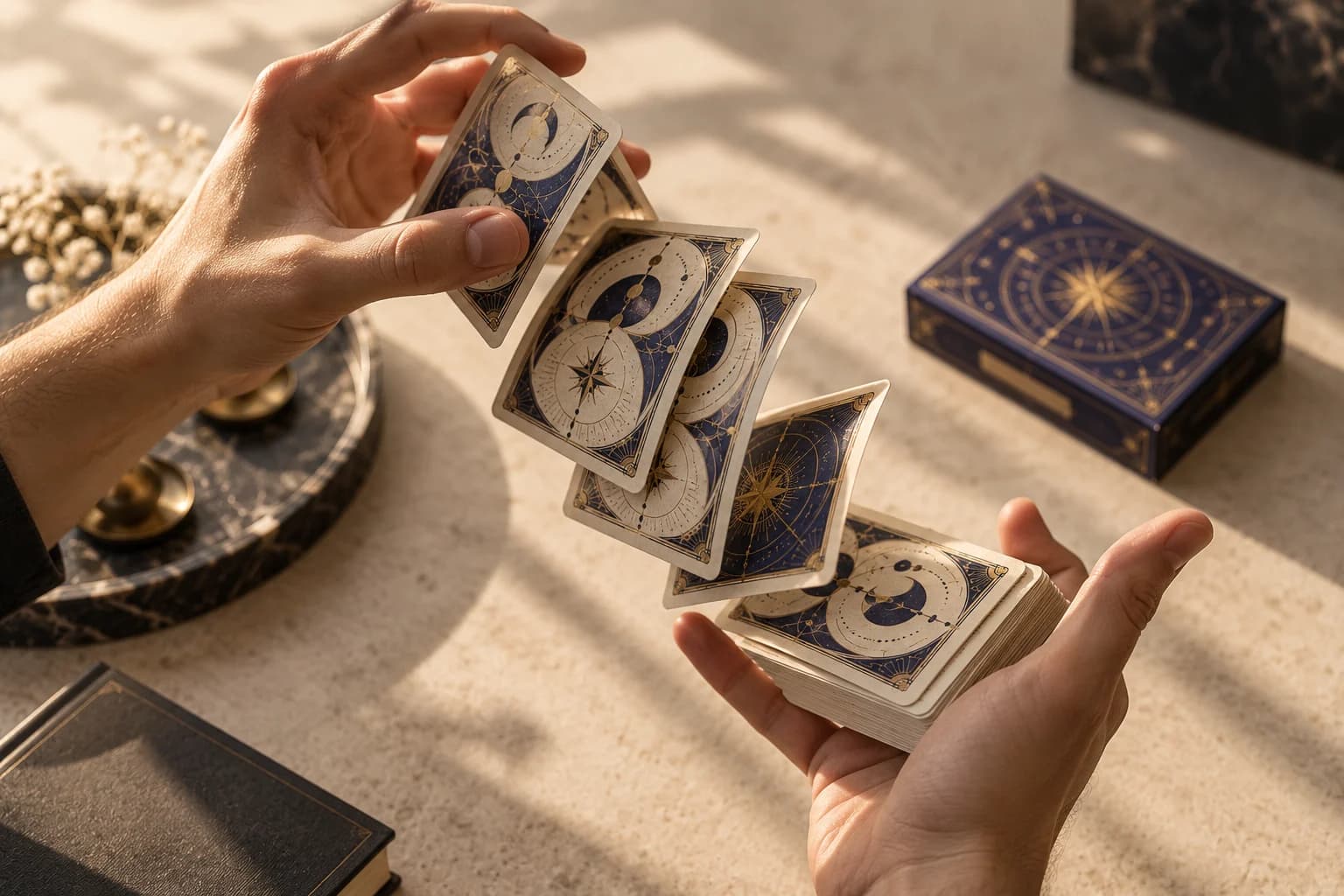
Cardnation publishes playing cards and launches them on Kickstarter. Not once — repeatedly. They are now past twenty campaigns.
When we started working together, every launch was being built from nothing. A deck designed. A campaign page laid out. Then roughly thirty pieces of artwork around it: hero frames, reward tier cards, stretch-goal graphics, update headers, the social cut-downs. All commissioned fresh, every time.
The result was a cost per campaign that never came down. The sixth launch was as much work as the first, which is a strange thing to be true about a company doing the same thing for the sixth time.
Crowdfunding punishes starting from scratch
Kickstarter has a shape. A page has a hero, a story section, a tier ladder, a stretch-goal sequence, a risks section, and a run of updates that arrive after the page is already live. That shape does not change between projects, and it does not change much between publishers.
So the work divides cleanly into two piles, and most people never make the cut:
- What is genuinely new each time — the product, the art, the story.
- What is structurally identical each time — everything else.
Treating the second pile as new work is where the money goes.
What we built
The decks first. Face artwork, backs, tuck boxes, finishes. This sounds like an odd place to start a conversation about page templates, but the product is what the page is selling. A campaign page is a frame around an object, and if the object is not resolved the page is decoration around a hole.
Then a campaign kit. Page architecture, tier layouts, stretch-goal and update templates. A new launch starts at roughly eighty per cent rather than zero. The remaining twenty per cent is the part that should be different.
One art direction, end to end. From the card faces, through the campaign page, to the storefront. A backer who clicks an update and lands on the shop should not feel like they have changed companies. That continuity is worth more than any single asset in the kit, and it is the first thing that breaks when each piece is commissioned separately.
Editable sources and a written system. Handed over, deliberately. The team runs a launch without waiting on us for a tier graphic at eleven at night.
The uncomfortable part of doing this well
A studio that builds a client a kit is reducing its own future billing. That is the honest description of it.
It is still the right thing to build, because the alternative is a relationship where we are the bottleneck on someone else's launch day, and that relationship ends badly regardless of how good the graphics are. The work that comes back is better work: new decks, new products, the things that actually need a designer, rather than resizing a stretch-goal banner for the ninth time.
What I would tell a publisher planning more than one campaign
Design the product before the page. Almost everyone does this backwards under deadline pressure, then rebuilds the page when the product art lands.
Count what you commissioned last time. Not what you spent — what you commissioned. Lay the pieces out and mark which ones would be identical in shape next time. That list is your kit, and it is usually longer than expected.
Templates you cannot edit are not templates. If a tier card needs the studio every time, nothing has been systematised. It has just been moved.
Build the storefront, not only the campaign. A campaign runs for thirty days. The storefront is what sells on day thirty-one, and on every quiet day between launches — which, across a year, is nearly all of them.
Keep one thing constant on purpose. A recognisable frame across campaigns compounds. Backers who funded the last one should recognise this one before they read the name.